Massage Articles

jumper's knee massage

What does a PCL tear feel like? Treatment, recovery, evidence

A posterior cruciate ligament (PCL) tear is an injury in the back of your knee, which can cause pain, instability, and difficulty walking or participating in physical activities. While it’s less common than other types of knee ligament injuries, like an ACL tear or a LCL tear, it still can

Read more »
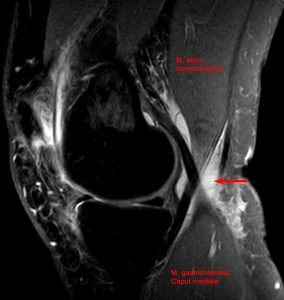
MRI of baker's cyst

Baker’s Cyst: Causes, Symptoms, Treatments, and Massage

A Baker’s cyst, or a popliteal cyst, is the inflammation of a bursa in the back of the knee. This is often caused by rapid accumulation of the fluids in the bursa, which may lead to inflammation from constant rubbing of the muscles and tendons during movement.  While this is

Read more »
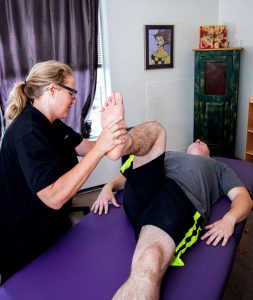
massage therapy pain behind knee treatment

Pain Behind the Knee: Causes, Treatments, and Massage

Posterior knee pain may be caused by injuries to areas like the back corners of the knee, the lateral collateral ligament, posterior oblique ligament, or the iliotibial band (IT band). Other causes of pain behind the knee include: Baker’s cyst Hamstring strain PCL tear Vascular problems in the posterior thigh

Read more »
rugby acl tear injury

ACL Tear: Symptoms, Diagnosis, Treatment, and Massage

An ACL (anterior cruciate ligament) tear is a common knee injury that occurs when that ligament in the knee is stretched too far, partially torn, or completely torn. This ligament helps stabilize the knee joint and is crucial for activities that involve sudden changes in direction or sudden stops, such

Read more »
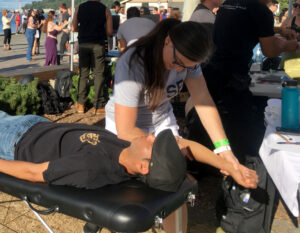
shoulder rotator cuff rehab at the beach

How Reliable Are Torn Rotator Cuff Tests?

There are many shoulder tests that can help rule in or rule out a rotator cuff tear. These include: Drop arm test Belly press test Lift off test Empty can test Full Can test Hornblower’s test Bear hug Physical therapists use these tests based on the size, location, age, and

Read more »
shoulder joint bursa

Massage and Exercises for Shoulder Bursitis

Shoulder bursitis is an inflammation of the bursa, a small fluid-filled sac in the shoulder joint that acts as a cushion between the bones and soft tissues. A bursitis occurs when the bursa becomes inflamed and irritated. This can lead to pain, swelling, and reduced range of motion in the

Read more »
hawkins test

What Is Shoulder Impingement?

Shoulder impingement is where the tendons and connective tissues in your shoulder get pinched or compressed, causing pain and inflammation. It happens when the space between the bones in your shoulder joint narrows, usually due to repetitive overhead motions or age-related changes.  This pinching can irritate the rotator cuff tendons

Read more »
hunched shoulders adaptation pain

What Is a Bankart Lesion?

A Bankart lesion is the most common type of shoulder dislocation where the humeral head of the upper arm bone moves toward the front and downward with applied force. This can cause the glenoid labrum of the shoulder socket to tear, making the shoulder joint less stable and more prone

Read more »
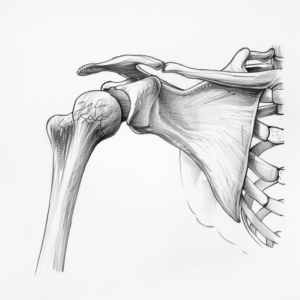
shoulder joint anatomy

What Is a SLAP Tear and Do You Need Surgery?

A SLAP tear is a tear of the labram cartilage that lines the shoulder socket, often involving the attachment of the biceps tendon to the labrum. SLAP tears (Superior Labrum Anterior and Posterior) can be acute, chronic, or degenerative and often occur with other shoulder injuries, such as posterior labral

Read more »
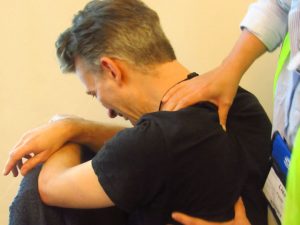
massage therapy on shoulder

Full Guide to Shoulder Pain: Causes, Treatments, and Evidence

Shoulder pain is any discomfort, aching, or pain experienced in or around the shoulder joint. Symptoms can manifest in the front, back, top, or at the armpit. Given the complexity of the shoulder joint and pain, it can be difficult to pinpoint exactly what is causing the pain. This guide

Read more »
cluneal nerves posterior view

Does Cluneal Nerve Entrapment Cause Back Pain?

Cluneal nerve entrapment, also known as cluneal neuritis, cluneal nerve compression, or clunealgia, is where cluneal nerves get “stuck” or irritated at the passage through the fascia near the iliac crest of the pelvis. There are three types of cluneal nerves: superior, middle, and inferior. The superior and middle nerves

Read more »