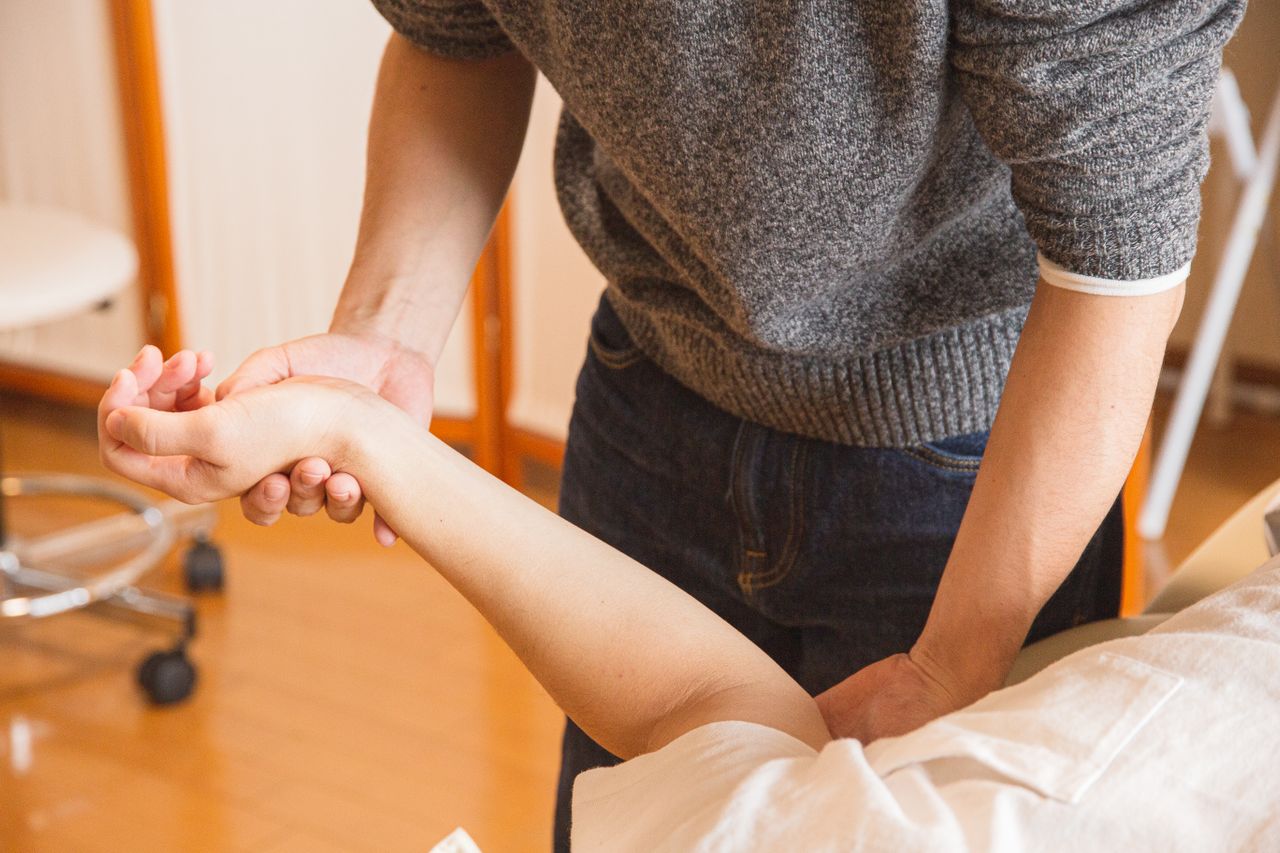
A 2026 systematic review and meta-analysis published in Australian Journal of Rural Health found little to no significant differences in how common musculoskeletal (MSK) pain is among rural and urban populations.
Led by Dr. Carlos Mesa-Castrillon from the University of Sydney in Australia also found rural populations were less likely to seek treatment for MSK pain, but that difference was not statistically significant either. Among these populations, Mesa-Castrillon et al. also examined the prevalence of knee, shoulder, neck, back, hip and rheumatoid pain.
Mesa-Castrillon et al. examined populations from 24 countries with a total of more than 489,000 subjects in 42 studies. They ranked these countries as high-income (e.g. U.S., Japan, Austria), high-middle income (e.g. Brazil, Mexico, China), and low-middle income (e.g. India, Pakistan, Nigeria).
They reported this was the first systematic review and meta-analysis to directly compare the global prevalence of MSK pain in rural and urban populations. Strengths included a prospectively registered protocol, searches across eight databases, an assessment of study quality, and the use of GRADE.
GRADE (Grading of Recommendations Assessment, Development and Evaluation) is a system used to assess how certain researchers can be about the evidence supporting a finding. It considers factors such as study limitations, inconsistencies, indirectness, imprecision, and publication bias to rate the certainty of evidence as high, moderate, low, or very low.
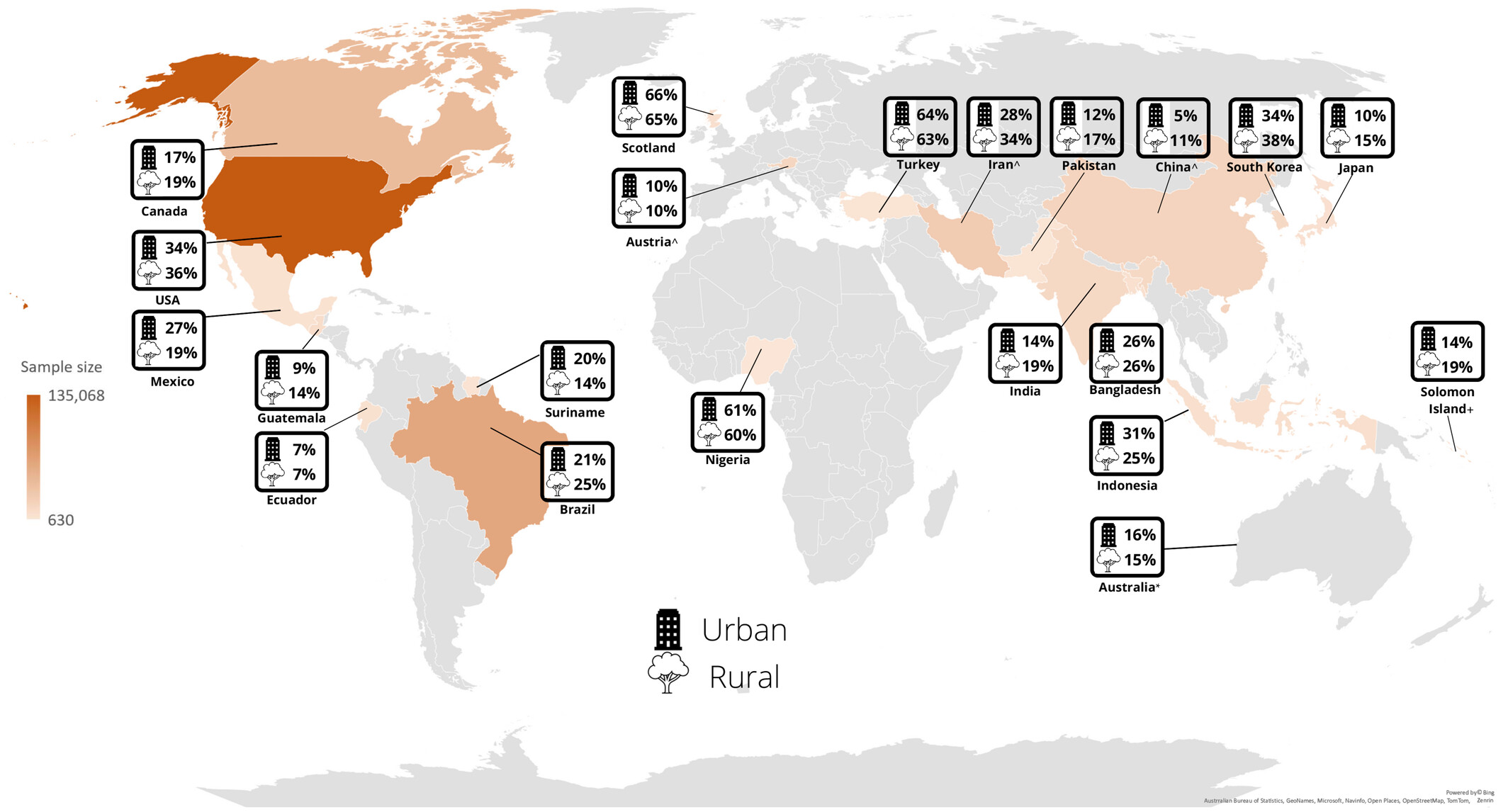
However, the evidence, which was mostly based on cross-sectional studies, was considered “very low certainty” because the studies used different experimental methods, such as types of interviews for the subjects, the researchers reported.
“Recall bias could also have influenced the results of the individual studies, which are subject to desirable responses,” Mesa-Castrillon et al. wrote. “Although most of the studies in our systematic review included populations from different countries and regions, we cannot discard the possibility of case overlapping.” This means the same participant could have participated in two studies, they wrote.
Another issue the researchers found is that the definition of “rural” and “rurality” were inconsistent across studies. While Mesa-Castrillon did not specifically report how the definitions were inconsistent, they wrote that it is “unrealistic to expect one unique definition to cater to the needs of all researchers across varied disciplines, nations and policy contexts. We acknowledge these concepts to be adaptable, versatile and capable of multiple interpretations.”
However, they added that only five studies defined “rurality” using population size and density as factors.
“Potential researcher bias could be present in the results of the risk of bias and GRADE assessment as only one researcher completed these processes,” they wrote.
Despite the lack of statistical significance between rural and urban populations in seeking medical help, Mesa-Castrillon et al. reported that individual studies show some disparities. For example, in Spain, they reported 22% of rural residents have difficulties in accessing healthcare compared to 7.4% of urban residents.
Also, they reported:
- 52% of rural populations experience a healthcare workforce shortage compared to 34% of urban populations
- Australia has a 429 healthcare workers per 100,000 people in urban populations vs. 217 per 100,000 in rural populations in 2018
“A more holistic approach including prevention, early detection and comprehensive treatment strategies should be prioritised,” Mesa-Castrillon wrote. “Additionally, funding should support research and workforce training to improve the overall quality of care and patient outcomes.”
They also suggested mass media and social marketing campaigns may help promote self-management, but “their effectiveness in changing routine behaviors is limited, and the impact of media advocacy in rural communities remains unknown,” they wrote.
Massage & Fitness Journal emailed the corresponding author for more details in applying research to practice, but no one responded.
Mesa-Castrillon called for more research into regional differences in MSK pain, standardized tools to measure and compare pain across populations, and large-scale studies comparing rural and urban communities.
“This study highlights the lack of observational data (i.e. except for government reports) comparing the prevalence of rural and urban musculoskeletal pain in the Australian general population,” Mesa-Castrillon wrote. “Addressing this gap would include lobbying for funding to conduct large-scale epidemiological studies in this field. Collaboration among universities, hospitals and research institutions to gather data and conduct large-scale research, especially in the rural healthcare sector, is warranted.”

Nick Ng, BA
Nick Ng is the editor of Massage & Fitness Jounal and the managing editor for My Neighborhood News Group.
An alumni from San Diego State University with a bachelor’s degree in graphic communications, Nick had also completed his massage therapy training at International Professional School of Bodywork in San Diego in 2014. In 2021, he earned an associate’s degree in journalism at Palomar College.
When he gets a chance, he enjoys weightlifting at the gym, salsa dancing, and exploring new areas in the Puget Sound area in Washington state.