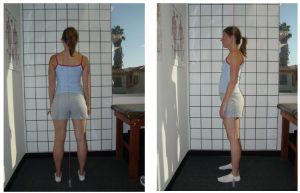
A 2025 narrative review published in Sports found that movement screens, such as the Functional Movement Screen (FMS) and Y-Balance Test (YBT), have “limited utility in predicting injuries due to their [injuries] context-specific nature.” Researchers from Kean University — led by Dr. Adam Eckart — included 75 studies and wrote that there are confounding factors, inconsistent scoring, and “overreliance on general movement patterns” that make the screens less reliable in predicting injuries.
Eckart et al. cited several studies that have either advised against using movement screens or using them with other factors in consideration, such as gender, type of sport, and injury definitions.
- A 2017 systematic review by Moran et al. found “moderate evidence” to recommend against using the FMS for injury prediction in soccer. Among the various populations the study collected, Eckart et al. reported that only a few military and athletic cohorts had enough “homogeneity” — or consistency in variables in research — to conduct a meta-analysis.
- Variations in age, gender, sport type, and asymmetries accounted for the mixed results in FMS risk of injury studies, according to a 2019 systematic review by Moore et al. Effect sizes tend to be small except for rugby, ice hockey, and American football athletes, they reported.
Regarding the YBT, Eckart told Massage & Fitness Journal that early studies on lower‑body balance and ACL injuries were “pretty promising” and showed strong associations with injury. “But there’s also just as many studies that don’t really show any practical usage of the YBT,” he said.
For example, one such early study showed high school basketball players with anterior reach asymmetries greater than 4 centimeters were 2.5 times more likely to suffer a lower-limb injury, and female players with a composite reach score below 94% of their limb length were 6.5 times more likely to be injured.
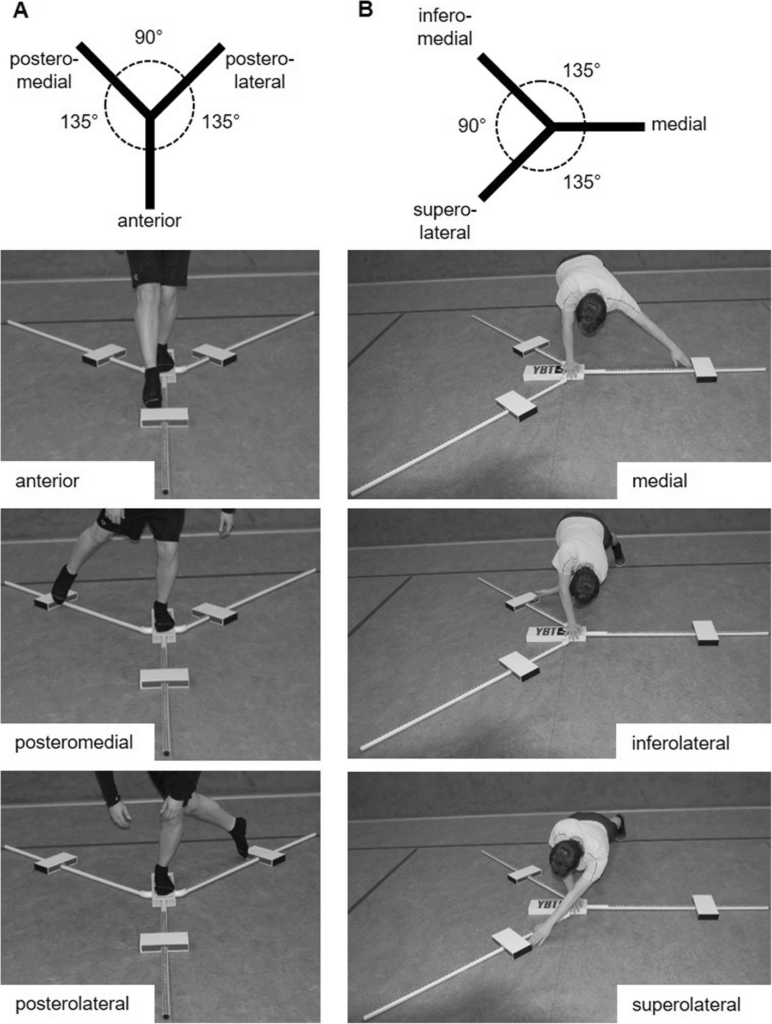
Later, a 2021 systematic review by Pilsky et al. examined 16 studies but could not run a full meta-analysis because of mixed methodologies. A few studies found that bigger left-right asymmetries in the forward reach were linked to higher injury risk, including one showing college and pro athletes with at least a 4-centimeter difference had more than double the odds of getting hurt.
However, most of these studies found no such link. The results varied widely depending on the sport, the injury tracked and the cutoff score used. Side-to-side differences in the other reach directions showed similarly mixed results.
Overall composite scores fared no better: Only one of 13 studies found they predicted future injury, while the rest found no meaningful relationship, Pilsky et al. reported.
The FMS
The FMS was created in 1997 by physical therapist Gray Cook and athletic trainer Lee Burton, who were looking for a way to help the hundreds of high school athletes they were working with. According to Burton, there was no systematic tool at the time for fitness or rehabilitation professionals to identify movement asymmetry or major limitations in movement patterns. They believed that these factors are linked to increased injury risk and decreased movement quality.
Their solution was a seven-test battery — the deep squat, hurdle step, in-line lunge, shoulder mobility, active straight-leg raise, trunk stability push-up, and rotary stability — scored on a 0–3 scale with the highest score of 21. The total is supposed to capture a person’s overall movement competence.
“It’s never really clear why adding all the subtests together was a good idea because it appears adding the scores together actually makes the total composite score less predictive of injuries,” Eckart said.
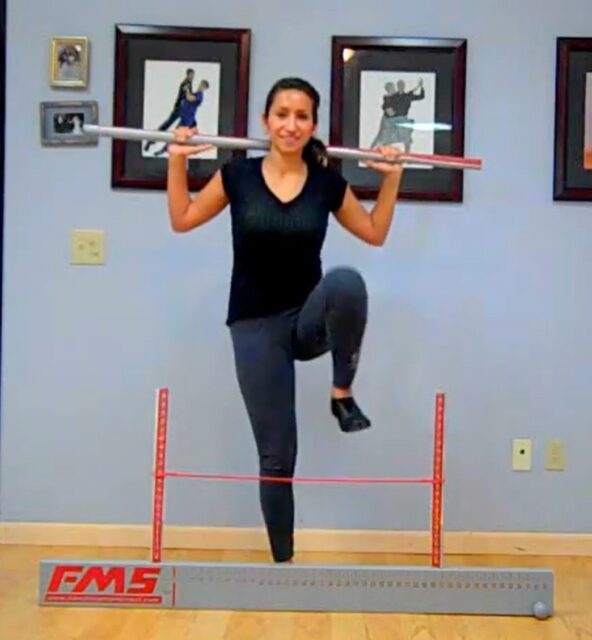
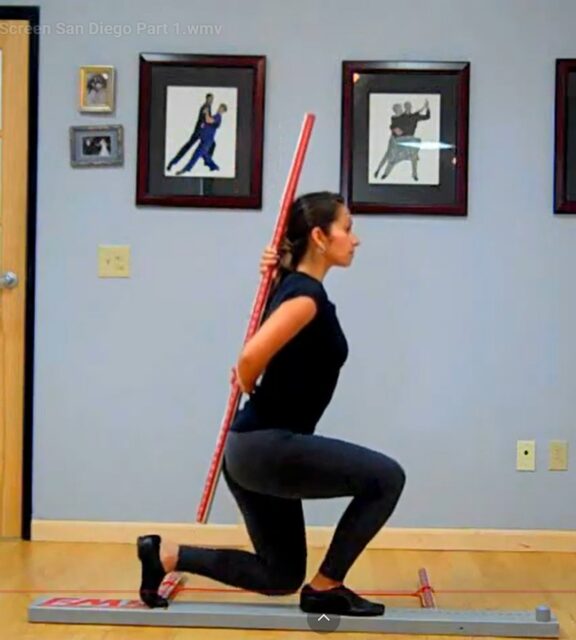
When the FMS and YBT became available to the fitness market in the late 1990s and 2000s, Eckart et al. wrote that this gave some personal trainers and strength coaches a “perceived competitive edge by offering a quasi-clinical assessment to optimize exercise prescriptions, address injury prevention, and improve overall training effects. They added that 20-plus of research “cast doubt” on the FMS’s and YBT’s predictability on injuries.
For example, a 2014 review on the FMS by Krause et al. found some of the studies had poor methodology and reporting. First, they cited a 2007 study (Kiesel et al.) that found a “score of 14 or less on the FMS was positive to predict serious injury” among 46 professional American football players. Every player got an FMS score in the preseason, and the researchers then tracked “serious musculoskeletal injuries,” which was defined as any injury requiring at least three weeks on the reserve list.
Of the 13 players who scored 14 or below on the FMS, seven got a serious injury. Among the healthier-scoring players, only three got injured. The injured players’ average FMS score (14) was lower than the uninjured players’ average (17.4), Krause et al. noted.
Kiesel et al. later did a larger study with 238 football players and looked specifically at what happened when a low FMS score (below 14) was combined with at least one movement asymmetry. They reported that this combination was “highly specific for injury” with a specificity rate of 0.87 and a sensitivity rate of 0.26. This means a low FMS score alone caught just 26% of players who later got injured but correctly cleared 87% of those who stayed uninjured. With the addition of one movement asymmetry, the FMS caught 58% of players who later got injured but cleared healthier players at 62%.
While Krause et al. wrote that the second study’s larger sample size makes it feel like a solid confirmation of the first, it didn’t distinguish contact from noncontact injuries and didn’t report the players’ age or injury history.
“Because most injuries are thought to occur during competitive contests, it would seem imperative to consider the risk factors in specific team sports such as history of injury, fatigue, playing position, or age,” Krause et al. wrote.
Eckart told Massage & Fitness one study had participants do the FMS once and were told exactly what was needed to score a 1, 2, or 3. On the second attempt, scores improved, particularly in the deep squat, in-line lunge, hurdle step, and shoulder mobility.
“Lo and behold, their scores improved. So that’s not a very good test,” Eckart said. “I think what happens in practice is that trainers will take from it what they want and discard the rest.”
Before he pursued a career in academia, Eckart was a personal trainer for more than 15 years and owned several gyms including Critical Mass in New Jersey. He said he was certified with FMS in 2010. After he retired from full-time training and got into academia, he thought more critically about movement screens and decided to dig into it.
Ideas for his paper emerged while he was doing other work, including his “quadrupedal movement training” review, which already “provides a lot of context around the creation of the FMS,” Eckart said.
He said the basis for the FMS tests are the developmental motor milestones in infants, such as the active leg raise that mimics infants laying on their back and moving their limbs.
Eckart said he chose a narrative review instead of a systematic review because the former is not as restrictive in selecting a study. “I wanted to just tell a story [like] what were the theoretical underpinnings and what was happening in the fitness industry at the time?” he said. “Sometimes you inadvertently pick studies that have positive results and maybe not enough negative results.”
Takeaways
Echart suggested that fitness and rehab professionals should be careful about relying on the FMS or YBT for injury prediction, especially in general populations. Clients should feel free to question or decline these screens, he added.
“You will find studies here and there that show the FMS can be predictive of injuries,” he said. “The problem is that [in] a lot of systematic reviews that I cited…there aren’t enough studies that are conducted in a similar fashion.” Therefore, drawing solid conclusions would be difficult for researchers.
Eckart said that many papers use “predictive” language without true prospective designs and urges manual therapists and trainers to learn how to read study design more critically so they can “separate persuasive language from actual results.”
“It boggles the mind because once you think you could hold on to something concrete, you’ll find a study that refutes it,” he said. “When I used the FMS, I really did try to use it the way I was taught. But I will admit, when I did it, I thought it was a little bit of confirmation bias. There’s a lot of questions that came up for me while I was heavily involved and performing these on my clients.
“For the average client, I just don’t think it’s useful. Your average client really can’t even put a dowel over their head.”
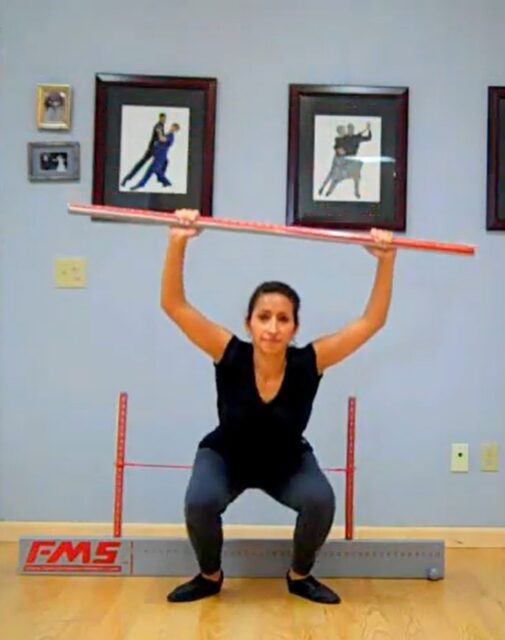
For the general public, Eckart said the priority should be moving more and using modified, tolerable exercises rather than being pushed through complex screens just because they’re part of the trainer’s system.
“People shouldn’t be afraid to let their trainer know,” he said. “If [trainers] insist on doing it, and you’re just not comfortable with it…ask for a different trainer.”
Further reading
Functional Movement Screen: Is it really a screen?
Functional Movement Screen reviewed

Nick Ng, BA
Nick Ng is the editor of Massage & Fitness Jounal and the managing editor for My Neighborhood News Group.
An alumni from San Diego State University with a bachelor’s degree in graphic communications, Nick had also completed his massage therapy training at International Professional School of Bodywork in San Diego in 2014. In 2021, he earned an associate’s degree in journalism at Palomar College.
When he gets a chance, he enjoys weightlifting at the gym, salsa dancing, and exploring new areas in the Puget Sound area in Washington state.