Whether it’s cardio or strength training, exercise has been shown to have moderate short-term to long-term effects for chronic low back pain. (Photo by Airman First Class John D. Partlow)Key takeaways
- Chronic low back pain stems from multiple causes, including biological, psychological, societal, and environmental factors.
- The current body of research points out that a multidisciplinary approach is better than relying on any single treatment.
- Myths and misconceptions of low back pain still persist on social media, healthcare conferences, and medical and manual therapy schools.
- Myth examples include posture and biomechanics are major factors of low back pain; surgery can fix low back pain; bed rest is best.
- Decades of research find that exercise, some psychological treatments, and self-management can reduce pain intensity and disability in the long term.
Chronic low back pain is defined as “back pain problem that has persisted at least three months” and having symptoms “at least half the days in the past six months,” according to the NIH Pain Consortium Research Task Force (RTF).
In general, low back pain is among the most common musculoskeletal conditions worldwide. The Global Burden of Disease Study estimated that more than 551 million people worldwide experienced low back pain in 2017, an increase from 377.5 million in 1990. A 2023 study published in Lancet Rheumatology predicted that the average number of people with low back pain may be 843 million.
The Disease Study also identified that low back pain is the leading cause of years lived with disability, increasing from 42.5 million to 64.9 million globally between 1990 and 2017.
Beyond its impact on daily life, low back pain places a substantial social and economic strain on communities and poses a major challenge for healthcare systems. This burden is equally evident in low-income countries as in wealthier, developed countries. For example, a 2023 study of nine low to middle-income countries found that low back pain costs about $2.2 billion per population a year.
In the U.S., a 2024 study found $134.5 billion was spent in treating low back pain among 154 healthcare spending conditions in 2016. Another study reported that the U.S. spends about $40 billion a year (about $2,000 per person), which includes “unindicated imaging, high rates of surgery, and subsequent revision surgery without proper trial of non-pharmacologic measures and no corresponding reduction in [low back pain] prevalence.”
While it may seem that low back pain is almost impossible to “cure,” research has shown a few promising treatments.
Potential causes
The current body of research finds that chronic low back pain is caused by a mix of biological, psychological, societal, and environmental factors, based on the biopsychosocial model of pain. And so, it’s unlikely that such pain is caused by one factor.
Biological factors
One biological factor is changes in the peripheral and central nervous systems—in addition to inflammation—that increases the likelihood of experiencing pain, according to a 2021 narrative review.
The researchers reported that a growing number of studies show that inflammation plays a key role developing chronic low back pain. Also, the central nervous system contributes by changing how the brain processes nociception—a process by which the nervous system detects and encodes potentially harmful stimuli. This involves specialized sensory neurons called nociceptors When this system doesn’t function properly, nociceptive signals can become exaggerated.
The researchers added that chemical imbalances and overactive glial cells in the brain may play major roles in the development and maintenance of chronic low back pain.
But biological factors aren’t the only key players in chronic low back pain.
Psychological factors
Negative thoughts and beliefs about pain have been shown to increase the likelihood of experiencing chronic low back pain.
In 2022, a team of Australian and Brazilian researchers identified kinesiophobia [fear of movement], catastrophizing [exaggerating negative beliefs] and maladaptive beliefs [assumptions that can worsen pain-related disability] to be significant contributors to chronic low back pain.
The study is based on 472 chronic low back pain patients who completed a self-report on their experiences. However, anxiety, symptoms of depression, and perceived stress “were not linked to severe pain” in this sample population.
Similarly, a 2022 systematic review reported that psychological factors can affect how well people with low back pain physically performed their best. Specifically, these factors include catastrophizing, fear of pain, and negative pain beliefs.
However, the researchers wrote that the certainty of evidence was “very low to moderate for pain-related fear, and low to very low for the other pain-related psychological factors.” This is because of the low number of studies of acute and subacute low back pain and pain remission, they added.
The researchers pointed out that the connection between psychological factors and physical performance was weak. The only stronger link was with anticipated pain, which had a moderate effect on performance.
Social and environmental factors
The environment and society also influence behavior and beliefs on chronic low back pain and cannot be separated from biology and psychology. These factors include work culture, climate, perceived personal safety, pollution, socioeconomics and faith and religiosity.
For example, a 2019 meta-analysis of 18 studies (19,500 employees total) found that workload, job control, and social support are significantly related to having chronic low back pain. Interestingly, the researcher wrote that having high job control reduces the risk of developing chronic low back pain —”only for the combined measure of job control and for decision authority alone, but not for skill discretion.”
Where people live is likely another factor to developing chronic low back pain. A 2020 study of more than 8,500 twin individuals found that neighborhood walkability, access to green space and deprivation “were significantly positively associated with back incidence.” The researchers did not find a significant difference between those living in rural and urban neighborhoods.
Related reading: What is pain?
Myths and misconceptions
Despite the evidence that chronic low back pain is caused by multiple factors, there are still many myths and misconceptions about pain that are often taught in medical and manual therapy schools, continuing education, and health conferences—not to mention on social media.
“Scans can always or often find the cause of back pain”
X-rays, magnetic resonance imaging (MRI), and ultrasound are some types of scans that are often used to find a potential cause of low back pain. However, research finds that such scans could be unreliable.
For example, a 2013 systematic review of 12 trials found that “it is not possible to draw firm conclusions about the ability of MRI findings to predict future [low back pain]” because of small sample sizes and different sample populations (e.g. no current low back pain, had previous low back pain).

A 2023 systematic review added 27 new studies on top of the previous 12 used in the 2013 review and found MRIs “may have weak associations with future [low back pain].” However, the researchers wrote that the evidence is “insufficient to judge whether most of the MRI findings that were tested were or were not associated with future pain and disability.”
A 2021 editorial published in the BMJ cited that less than 5-10% of all low back pain is “due to a specific underlying spinal pathology.” Among 90-95% of “uncomplicated low back pain,” the researchers wrote that imaging “will not guide management and can cause more harm than benefit.”
They reported that low back pain patients in the U.S. who had an early MRI were more likely to undergo back surgery and take prescribed opioids—and had higher pain score at a one-year follow-up—-than those who did not get an early MRI.
Another group of researchers from China also found that routine imaging for low back pain “is not associated with a clinically meaningful benefit on patient outcomes. Unnecessary imaging exposes patients to preventable harms, which may lead to additional unnecessary interventions.”
This is because some people who have shown spine abnormalities in the lumbar spine, such as degenerative discs or spinal stenosis, have no pain or other symptoms. For example, a 2016 study of more than 3,000 elderly Chinese men and women with spondylolisthesis found a low incidence of low back pain among women, but not in men.
“Poor posture is a cause of back pain”
Posture is often blamed for low back pain, but scientific evidence shows otherwise. A 2020 systematic review of 41 trials from 1990 to 2018 failed to find a consistent relationship between posture and low back pain.
People with different pelvic tilts can have low back pain or not, and there’s no direct casualty between the two. A 2014 systematic review of 43 trials compared spinal posture and pelvic tilts between people with and without low back pain. It found no difference in lumbar spine and pelvic tilt angles.
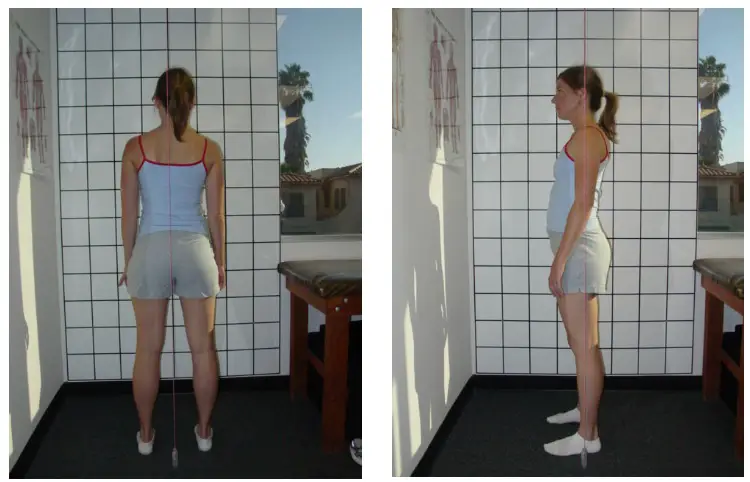
Also, a 2018 study found that using standing posture assessments to find whether someone has low back pain to be “irreproducible.” The researchers wrote that such lack of reproducible results can lead to misinterpretation of imaging measurements, wrong diagnoses and possibly unnecessary treatment for pain.
A 2025 systematic review and meta-analysis also found similar results. The researchers found that people with low back pain might have changes in how their lower back and pelvis move and function, but the evidence wasn’t strong because the results varied a lot between studies. They found that pelvic tilt was higher in people with low back pain, but there’s no cause-and-effect relationship. They also found no difference between groups in leg length discrepancy or in the curve of the upper back (thoracic kyphosis).
“Rest is best for recovery”
Research going as far back as the 1990s recommended that staying active is better than bed rest to recover from most chronic and acute low back pain.
A 2018 study of 15 clinical practice guidelines recommended:
- Returning to normal activities, avoiding bed rest, and using nonsteroidal anti-inflammatory drugs (NSAIDs) and weak opioids for short periods for acute low back pain
- Use of NSAIDs and antidepressants, exercise therapy, and psychosocial interventions for chronic low back pain
“Slipped discs are a major cause of low back pain”
While a herniated or “slipped” could be a cause of chronic low back pain, some people who have such a condition do not have pain.
A 2015 systematic review of 33 studies (3,110 participants) found many people did not have back pain associated with spine degeneration. They reported that 37% of people in their twenties and 96% of people in their eighties are asymptomatic. About 30% of those in their twenties had a bulging disc, compared to 84% among those in their eighties.
The researchers wrote that the “degenerative features are likely part of normal aging and unassociated with pain. These imaging findings must be interpreted in the context of the patient’s clinical condition.”
Also, a disc might even get “reabsorbed” back to its normal position. A 2024 meta-analysis of 31 trials (2,233 participants) found that there is about 70% chance that a herniated disc could be reabsorbed, particularly within six months of conservative treatment.
“Surgery can fix low back pain”
Back surgery for chronic low back pain can help in certain cases—such as nerve compression and radiculopathy—but its success often depends on the specific cause of the pain and careful patient selection. Research shows that for many people, non-surgical treatments may be just as effective in the long term.
For example, a 2006 meta-analysis of four trials (634 patients) found that spinal fusion surgery was not statistically significantly better than non-surgical interventions.
In a four-year follow-up study of 124 patients with long-term disc degeneration, 24% of the patients who underwent cognitive behavioral therapy and exercise had surgery while 23% who had spinal fusion surgery had to undergo another spine surgery.
A 2023 systematic review of 16 trials (85,000-plus patients) found that about 5%-27.6% of patients had “failed back surgery syndrome,” which describes persistent low back pain after surgery.
So what works? An evidence-based approach
There are chronic low back pain treatments that show a moderate to high rate of success of reducing pain and disability. The U.S. National Institute of Health’s Back Pain Research Consortium (BACPAC) recommended three types of treatments that show at least a moderate evidence level.
Exercise
The BACPAC researchers reported in a 2022 review that exercise of any type offers a “moderate clinical benefit.” This means while the evidence suggests a certain effect, there is still some uncertainty, and further research may potentially change the conclusion.
They reviewed several types of exercises, such as strength training and walking programs, and found moderate effect sizes and strength of evidence across the board with no exercise better than another. The effect sizes also improved when exercise is combined with cognitive behavioral therapy and decision-making strategies.

Psychological treatments
Cognitive behavioral therapy (CBT) has “small-to-medium effects” for disability and pain catastrophizing in chronic low back pain patients, often working quickly and lasting effects of six to 12 months, often with better outcomes in people with higher distress, according to the BACPAC researchers.
The reported acceptance and commitment therapy (ACT) shows similar strong evidence and effect size, which focuses on improving function by fostering acceptance rather than control of pain.
Self-management
Pain self-management programs teach patients practical skills to manage pain on their own, sometimes with guidance from professionals or peers. They have moderate short-term effects on pain that tend to last over time.
The researchers reported that such programs also improve pain beliefs, self-efficacy, and function, with the best results in people with hypersensory sensitivity and psychosocial challenges.
Both guided and unguided versions work similarly well, though having a therapist may slightly boost outcomes and reduce dropouts. Because unguided digital programs are cost-effective, scalable, and maintain benefits, the researchers recommended them as a standalone or first-line treatment.
Pain fluctuation is normal
Like most types of joint pain, it is sometimes normal to have fluctuations of back pain for a year or more even if you’re undergoing treatments.
Understanding this pattern can help you stay engaged in your care rather than becoming discouraged by temporary setbacks.
If you’re seeking support, national organizations such as the American Chronic Pain Association, the U.S. Pain Foundation, and the International Association on the Study of Pain (IASP) offer free resources, educational materials, and patient advocacy.
Locally, help may be available through community health centers, hospital-based pain clinics, and physical therapy practices that specialize in chronic pain management.
If you prefer an online support group, find a community that encourages evidence-based conversations rather than promoting unproven or harmful treatments and “it works for me” stories. Look for groups moderated by trained volunteers or health professionals who can guide discussions, manage misinformation, and ensure a supportive environment.

Nick Ng, BA
Nick Ng is the editor of Massage & Fitness Jounal and the managing editor for My Neighborhood News Group.
An alumni from San Diego State University with a bachelor’s degree in graphic communications, Nick had also completed his massage therapy training at International Professional School of Bodywork in San Diego in 2014. In 2021, he earned an associate’s degree in journalism at Palomar College.
When he gets a chance, he enjoys weightlifting at the gym, salsa dancing, and exploring new areas in the Puget Sound area in Washington state.