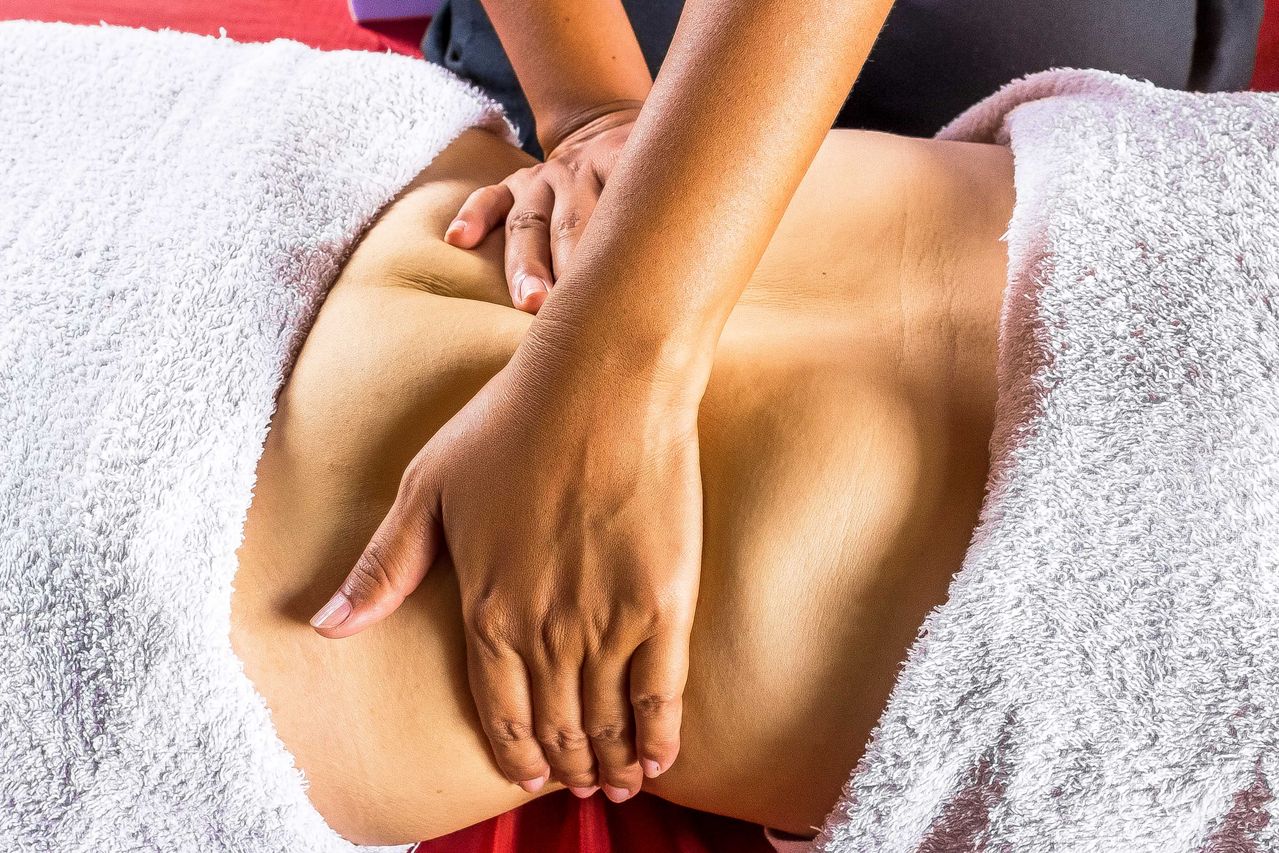
Massage is often used to alleviate menstrual pain (dysmennorhia) and most kinds of pelvic pain. There is no best massage because everyone’s body is different. Some will respond to work on the deeper muscles of the hips and glutes while others may need softer work on their lower abdomen.
One reason why massage can reduce pain is because of descending modulation. This is a process where your brain and spinal cord interpret sensory information from your surroundings (e.g. touch, heat) and determine if they’re a threat or not. If something is perceived as a threat, your perception of pain sensitivity may increase, which increases the likelihood that you would experience pain.
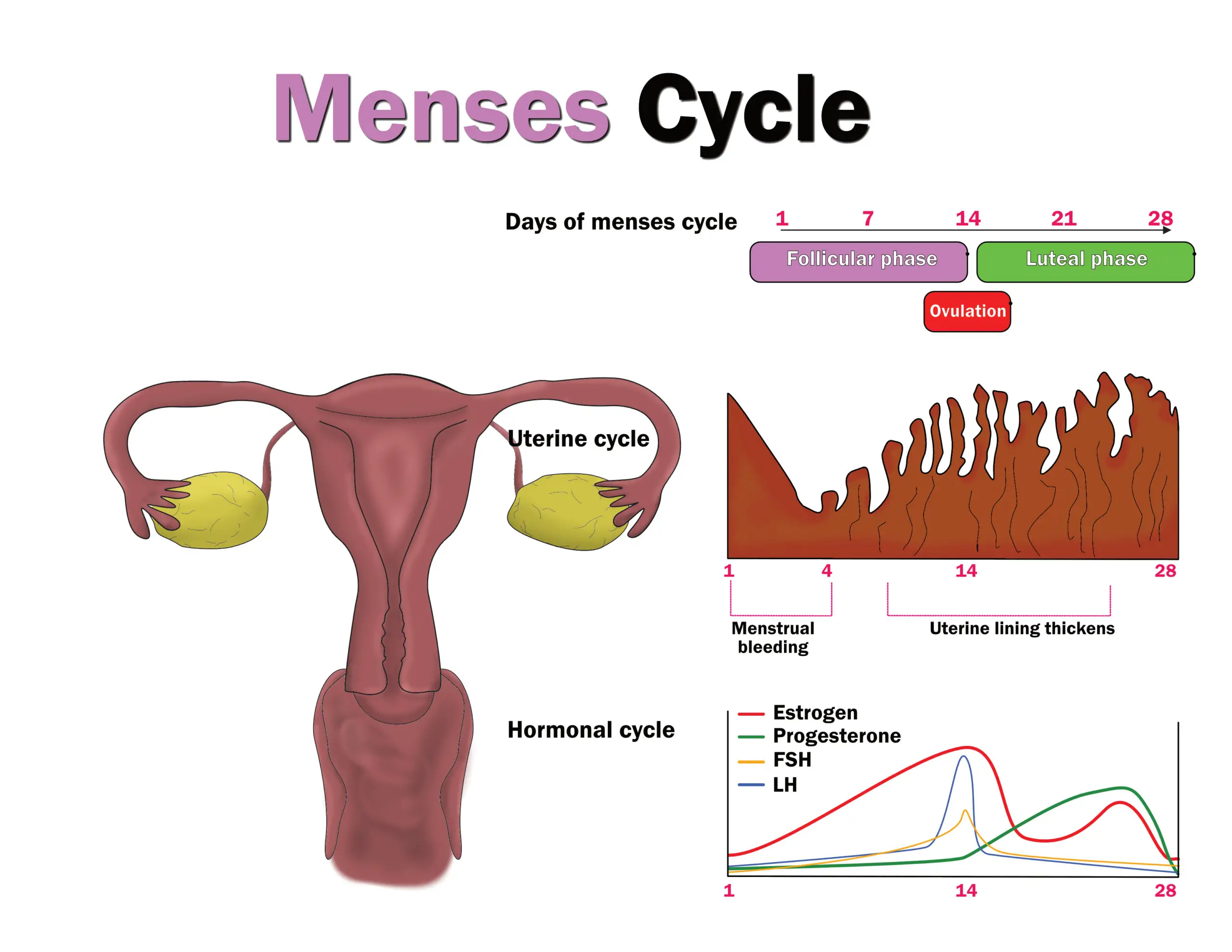
Dysmenorrhea is the clinical term for painful periods. The most common type is primary dysmenorrhea, which is caused by having too many prostaglandins, a chemical produced by the uterus that causes the tissue to flex and relax. This form usually plagues those early in life and can change with time and often subside after pregnancy.
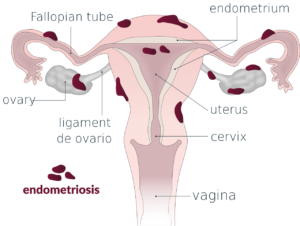
Secondary dysmenorrhea is the result of underlying conditions that affect the reproductive organs, such as ovarian cysts, uterine fibroids, or endometriosis and is more common later in life.
Aromatherapy may be used with a massage session, which involves applying different kinds of essential oils to help promote a calming and healing effect. For example, lavender calms and eucalyptus helps to stave off fatigue.
Self-massage for menstrual cramps
Sun and moon effleurage
This is a stroke where you lay your hands flat on the belly and bring each around in a circle. For uterine cramping each hand alternates direction.
- Lay your hands flat on either side of the stomach and run them across the abdomen, starting above the navel and going down toward the pelvis.
- Give small friction circles done in a wide circle around the navel, spiraling inward.
Acupressure can also be applied along either side of the lumbar vertebrae then continuing down and widening at the hips.
Other ways to get rid of period cramps
There are many other common ways to reduce period pain. With some of the most common being heat, medication, and exercise.
Heat
Some studies have been conducted using both heat and control groups with placebos with consistent results finding the use of heat can greatly diminish the pelvic pain associated with periods.
Medications
When it comes to menstrual pain, one of the first things that most people will try are over-the-counter pain meds like Tylenol, midol, or ibuprofen.
However, many find that pain medications only work if they are taken at the first signs of impending cramps, if these medications are taken even an hour later they will often have no effect at all.
For some, medications like oral contraception act to regulate and moderate sex hormones like progeterone and estrogen greatly diminishing pain but this can also heighten other menstrual symptoms.
If you go this route, make a list of all symptoms for your doctor to be able to help you and see if this is a viable option.
Exercise
Exercise is another way to manage pain of all kinds because it has a prophylactic effect. Maintaining an exercise regimen that is 45 to 60 minutes three times per week has been shown to greatly reduce dysmenorrhea regardless of intensity.
Although many of the studies related to preventing this type of pain don’t have correlating studies to period cramps, exercise may reduce stress, which has a domino effect to decrease pain.
Tea and other drinks for period cramps
Maybe there’s a reason that we crave being curled up on the couch under a blanket with a hot beverage when your auntie comes to visit. Some types of tea have been shown to help fight some of the baggage she comes with.
Green and oolong tea for example, seem to have the greatest influence in reducing dysmenorrhoea.
Rose tea intervenes to bring down pain levels and decrease the psychological trapping that often feels like they are holding us hostage.
Research on masssage for dysmenorrhea
Some studies have shown that prolonged contact, even a 30-second embrace, will cause the central nervous system to release oxytocin, which can “function as a stress-coping molecule, an anti-inflammatory, and an antioxidant, with protective effects especially in the face of [adversity] or trauma.”
One 2005 study from South Korea found that daily abdominal massages for five minutes in the days leading up to menstruation can “significantly lower” cramps and its symptoms.
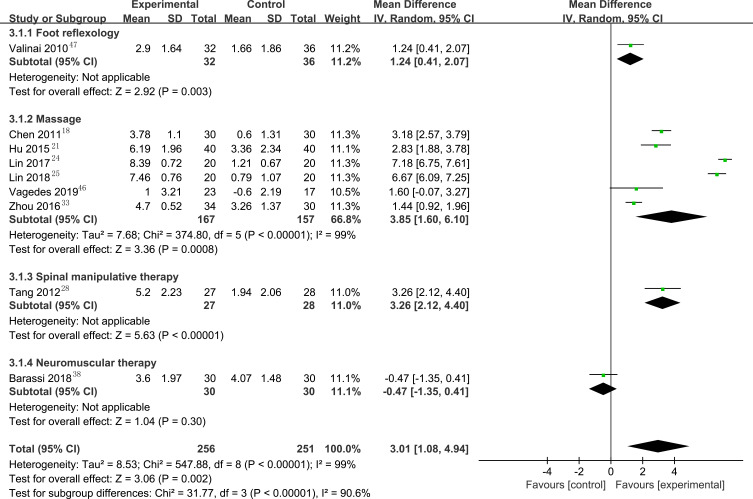
In the bigger picture, a 2024 meta-analysis of 32 randominzed controlled trials published in the Journal of Pain Research found manual therapy “might alleviate menstrual pain in short-term, surpassing both no treatment and NSAIDs.” The researcher also warned it is impossible to rule out the placebo effect during manual therapy.
While the study included different types of manual therapy, the researchers included six massage studies with a total of 324 subjects and found the results to statistically significant. The studies compared subjects who were given a massage and those who took NSAIDs. However, the results are varied since one study (Zhou 2016) found massage has a score of 1.44 points, another scored 7.18 (Lin 2017).
In Zhou 2016, the massage group averaged 4.7 on the pain scale, compared with 3.26 in the NSAID group, with an average difference of 1.44 points. In Lin 2017, the massage group averaged 8.39, compared with 1.21 in the NSAID group, an average difference of 7.18 points.
There are no links to the original studies, which are not indexed in PubMed or any English-language publications.
Getting help
If you’re experiencing menstrual symptoms that are impacting your way of life, see a medical professional to rule out underlying conditions, but it’s also one of the hardest times to advocate for yourself.
Until very recently, people who complain during extreme period symptoms were seen as those who were unable to handle and manage their own bodies. Some were put into the category of drug seekers so hypochondriacs.
Therefore, when you seek help from a medical professional, make sure that it’s someone who is actively listening to what you have to say about your own body because you know your body best.
Resources
https://www.pelvicpain.org/public/resources/support-groups (U.S.)
Pelvic Pain Support Network (U.K.)
There may also be local support groups on social media, or you might even create one.
Article is originally published on Dec. 3, 2022.

Lindsay Jones, LMT
Lindsay is a licensed massage therapist and a mother of three, who specializes in rehabilitation with emphasis on prenatal and postnatal care.
After graduating from the National Holistic Institute in San Jose, Calif., she went on to study how pain affects the body and how it can be alleviated during the constant changes of pregnancy and early motherhood.
In her free time, Lindsay has a deep love of all forms of art from storytelling and music to sewing and painting.

Nick Ng, BA
Nick Ng is the editor of Massage & Fitness Jounal and the managing editor for My Neighborhood News Group.
An alumni from San Diego State University with a bachelor’s degree in graphic communications, Nick had also completed his massage therapy training at International Professional School of Bodywork in San Diego in 2014. In 2021, he earned an associate’s degree in journalism at Palomar College.
When he gets a chance, he enjoys weightlifting at the gym, salsa dancing, and exploring new areas in the Puget Sound area in Washington state.